
You Are Not Working Out — You Are Practising. Thoughts for going into 2026.
- Russell Wood

- Dec 18, 2025
- 5 min read

Training Is Not the Same as Practice
Most people say they are going to train or going to work out. I want my students to understand something different. You are not working out — you are practising. That single shift in language changes everything. When you work out, the goal is usually exhaustion, novelty, or burning calories. When you practise, the goal is mastery. Practice implies patience, repetition, attention, and refinement. It means returning to the same movements again and again, not because they are exciting, but because they are effective. Kettlebell training, done properly, is not random exercise. It is a physical discipline, and disciplines are practised.
Practice is not mindless repetition. Practice is deliberate repetition with intent. No one who leads in any physical discipline abandons a movement because it feels repetitive. A professional footballer does not stop practising passing, striking, or dribbling once the basics are learned. A concert pianist does not stop playing scales because they are familiar. Martial artists do not discard fundamental strikes or throws in favour of constant novelty. They repeat the basics until those basics become automatic, and then they repeat them again. This is how skill is built. This is how mastery is developed.
Why Repetition Creates Real Strength
Modern fitness culture promotes the opposite idea. It tells people to constantly change workouts, to confuse the muscles, to chase novelty, and to avoid boredom. The result is often people who are busy and exhausted, but not particularly skilled. No one becomes proficient by constantly changing direction. Progress comes from depth, not variety. As Bruce Lee famously said, “I fear not the man who has practised 10,000 kicks once, but I fear the man who has practised one kick 10,000 times.” That principle applies directly to kettlebell training. Strength, coordination, and confidence under load come from repeated exposure to the same movements, practised with increasing care and control.
The kettlebell itself reinforces this idea. It is simple, honest, and unforgiving. There are no machines to hide behind, no cables to guide you, no screens to distract you. The bell tells the truth immediately. This is why kettlebell training revolves around a small number of fundamental patterns: hinging, squatting, pressing, pulling, carrying, and getting up from the ground. These movements are not limiting. They are foundational. They are the alphabet of strength, and fluency only comes through practice.
Boredom Is the Gateway to Mastery
At some point, everyone encounters the feeling of boredom. The moment you think, “I’ve done this before,” is not a problem — it is the gateway. When novelty disappears, attention must increase. This is where practice really begins. You start noticing details you once ignored: breathing, grip, balance, timing, posture, and control. Most people change exercises at this point and remain permanent beginners. Those who stay become practitioners.
What Martial Arts Taught Me About Focus
This idea of practice is not theoretical for me; it is something I lived long before I ever coached kettlebells. When I was eighteen, I didn’t go to university. It wasn’t because I lacked ability, but because I lacked focus. The UCAS forms felt overwhelming, school had always been a struggle, and I had reached a point where I simply couldn’t engage with academic study. Instead, I spent the next seven years training in an old-school style of jujitsu. That environment changed how I approached effort and learning.
In that dojo, training sessions were often built around a single movement repeated for an entire hour. I remember one session where we practised nothing but a downward sword cut, again and again. Another session was devoted entirely to one throw — ura seoi nage — repeated relentlessly from every angle and under mounting fatigue. It was exhausting, physically and mentally. There was no entertainment, no variation, and nowhere to hide. But through that repetition, something profound happened. I learned how to focus. I learned how to stay present. I learned how to perform a movement well, not just competently.
Those years of practice gave me something school never did: the ability to concentrate deeply on one task for a sustained period of time. When I eventually went to university at twenty-six, that ability carried me through. I could sit, study, and apply myself in a way that would have been impossible for me at eighteen. The discipline of practice rewired how I approached learning.
Practice Builds More Than Muscle
I think about that often when I coach kettlebells. If I were to advertise a class as “one-handed swings for an hour,” most people would be shocked. Some would laugh. Others would assume it was pointless or extreme. But in a true practice setting, that kind of session makes perfect sense. Not because repetition is glamorous, but because repetition is how skill, strength, and focus are built.
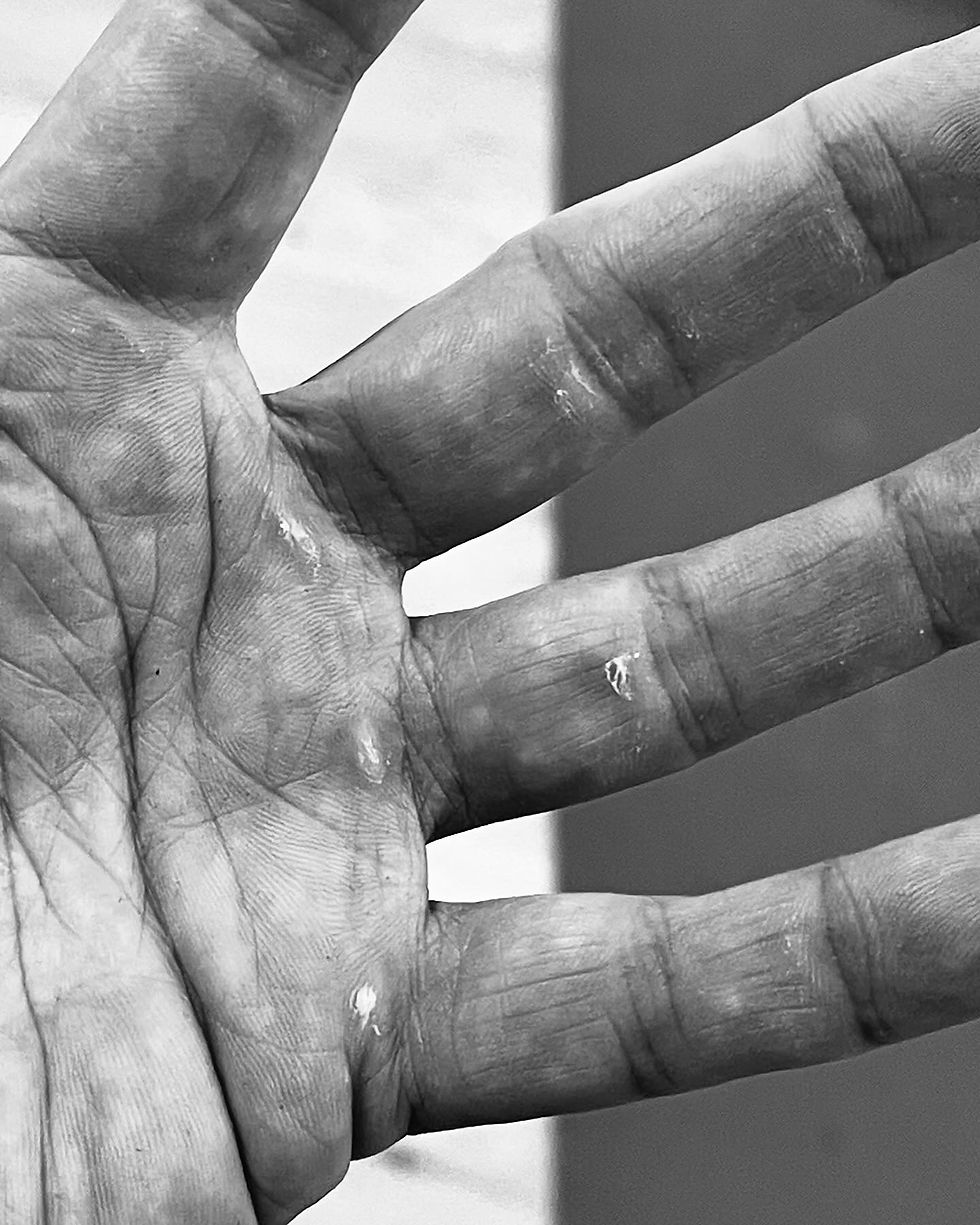
Kettlebell practice develops patience, awareness, emotional control, and the ability to remain calm under effort. These qualities extend far beyond the gym. Strength and physique are not the primary goal of practice, but they are inevitable by-products of it. When movements are repeated well, connective tissue strengthens, joints become more resilient, posture improves, and muscles develop in balance. A well-practised swing builds power. A well-practised press builds strength. A well-practised get-up builds durability.
Why This Matters More as We Age
As we get older, this approach becomes even more important. Random intensity breaks people. Practice builds people. Practising kettlebell movements preserves coordination, maintains strength, supports joint health, and protects independence. This is not about chasing exhaustion or trends. It is about staying capable for the long term, and capability is earned through repetition.
Moving Into 2026: A New Structure
This is why, moving into 2026, I will be introducing a new structure to our training. Novelty has its place, and we will still have it. We will satisfy the need for excitement and intensity with a round or two of a ten-minute WOD at the start of sessions. That element is there to energise, challenge, and remind us that training should still feel alive.
But the heart of our sessions will be practice. We will spend the majority of our time refining the fundamentals — hinging, pressing, squatting, pulling, carrying, and getting up from the ground. This structure is intentional. Practising the fundamentals is what facilitates excellence in movement and outstanding strength over time. It is what allows progress without unnecessary breakdown. It is what turns training from something you do into something you embody.
A Final Thought
When you come to class, you are not just exercising. You are refining skills that will serve you for years. Stop asking what workout you are doing today and start asking what you are practising today. When you practise, improvement becomes inevitable, and when improvement is inevitable, boredom loses its power. That is the path to mastery, longevity, and real strength.
At FEAT Fitness we host eight kettlebell training sessions per week in Ditchling Sussex and on Zoom. If you are interested in participating in our fitness sessions take a look at the Kettlebell section of the website https://www.feat-uk.com/kettlebell and don't hesitate to get in touch on Info@feat-uk.com


Comments